10 Technical Questions to Ask Before Purchasing a Pellet Mill
A Practical Decision Guide for Engineers and Plant Managers
Purchasing a pellet press is not just a comparison of capacity (t/h) and installed power (kW). When the right technical questions are not asked, a machine that performs well in its first year can turn into a source of unplanned downtime, high maintenance costs, and unstable pellet quality in the years that follow.The ten questions below form a practical checklist for technical decision-makers who want to evaluate the die, roller, and drive system as an integrated whole.
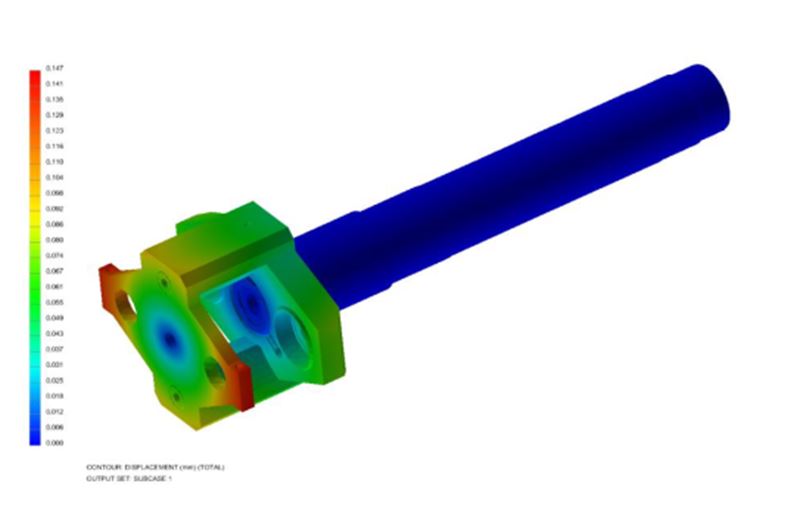
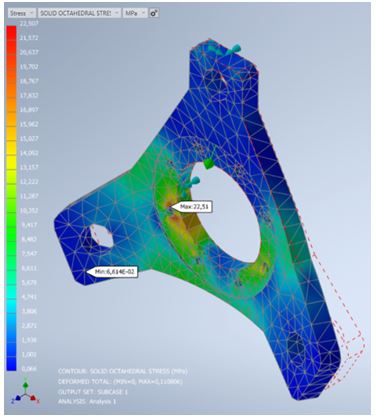
1-Which load cases were considered in the press frame design?
The real question is: “Under which torque, impact, and vibration scenarios was this frame designed?”
- Were FEM analyses performed?
- What are the allowable elastic deflection limits at full load?
Insufficient frame rigidity → misalignment → reduced bearing and rule life.
2- Is the die hole geometry process-specific or standard?
A single, generic hole design rarely fits all feed formulations.
- What is the effective hole L/D ratio?
- How are the inlet cone and compression zone defined?
- Is there a relief or reverse hole at the outlet?
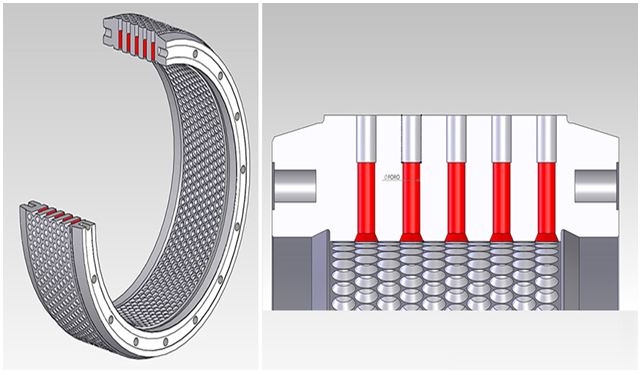
Incorrect geometry increases energy consumption while reducing pellet durability.
3- How does the roller system distribute load on the die?
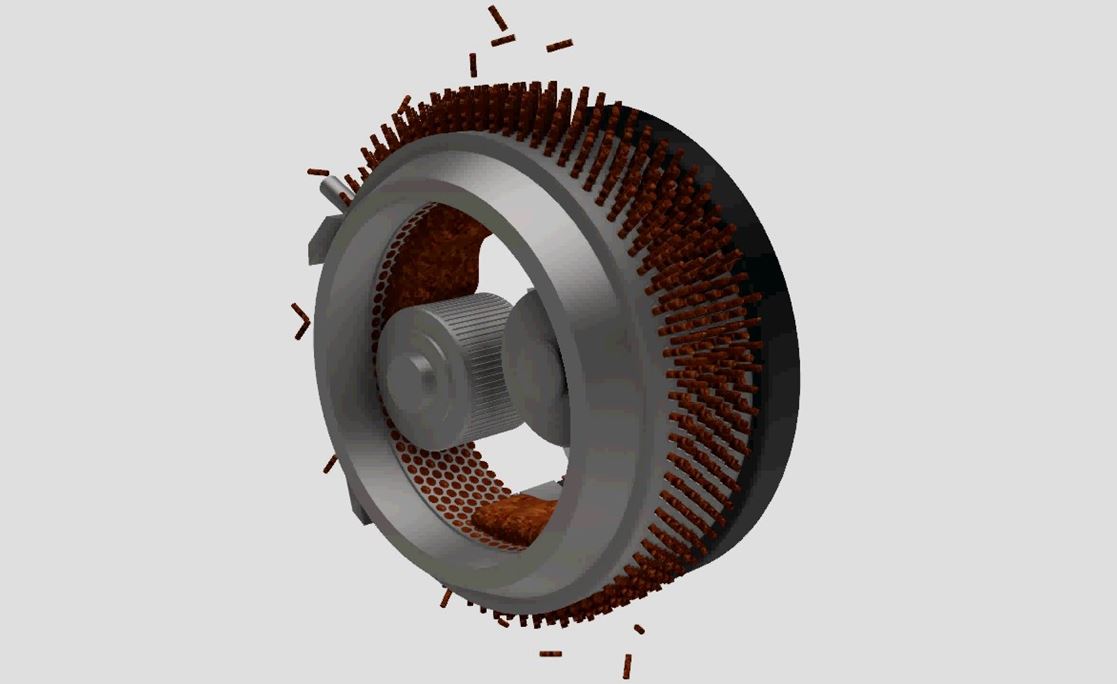
Key points to clarify:
Number and diameter of rules
Uneven load distribution leads to:
4- How are roller bearings protected against impact loads?
Rule bearings operate under continuous shock loading.
- What bearing types are used?
- Does the housing tolerate axial misalignment?
- Is lubrication centralized or local?
The answers directly determine rule service life.
5- On which lifetime criteria were the main shaft and bearings selected?
“Operating hours” alone is not sufficient.
- Were nominal and peak loads both considered?
- Were shaft deflection calculations performed?
Incorrect selection disrupts die–roller parallelism and triggers cascading failures.
6- Is the gearbox suitable for shock loading?
Pelletizing is not a steady-state process.
- What is the gearbox service factor?
- Is there sufficient safety margin for torque peaks?
An undersized gearbox may fail early despite high installed power.
7- Are coupling and torque-limiting solutions implemented?
This point is often overlooked but critical:
- Is the coupling shock-absorbing?
- How is the system protected in case of foreign objects?
Torque-limiting solutions prevent severe and costly mechanical damage.
8- How tolerant are adjustment mechanisms to operator error?
Roller–die gap adjustment should be:
- Precise
- Repeatable
- Securely locked
Good design absorbs operator error; poor design amplifies it.
9- What are the maintenance and wear-part replacement times?
Ask direct questions:
- How long does a die change take?
- How long does the press stop for roller removal and installation?
Shorter maintenance times mean higher effective annual capacity.
10- Will this press operate with the same stability after five years?
This final question summarizes the previous nine:
- Are wear parts standardized or proprietary?
- How accessible are spare parts and engineering support?
The true investment cost is not the purchase price, but the total life-cycle cost.
Conclusion: The Right Questions Lead to the Right Pellet Mill
Selecting a pellet mill requires evaluating the die, roller, frame, and drive system as a complete system.
For technical decision-makers, the real success criterion is clear: Not a press that works today, but one that remains stable for years.
Manufacturers who can provide clear, technical answers to these ten questions are usually the ones that deliver reliable long-term performance in the field.


